
World Glaucoma Week
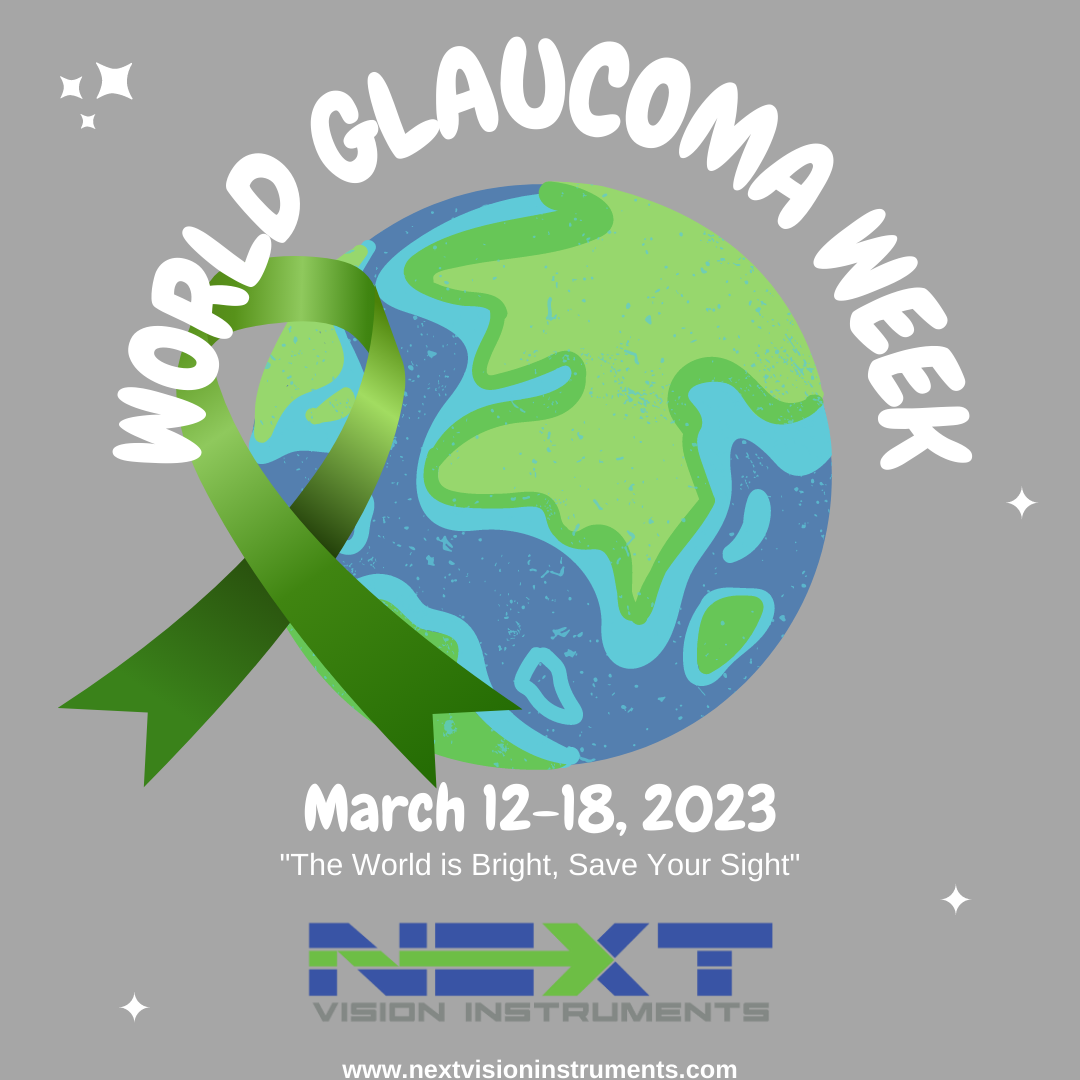
World Glaucoma Week is an annual event that takes place every March to raise awareness about glaucoma, a group of eye diseases that can cause irreversible vision loss. The theme for World Glaucoma Week is "The World is Bright, Save Your Sight." It highlights the importance of early detection and treatment to prevent blindness from glaucoma.
Glaucoma is a leading cause of blindness worldwide, affecting more than 70 million people. It is often called the "silent thief of sight" because it can progress slowly and without symptoms until significant damage has occurred. The most common type of glaucoma is open-angle glaucoma, which occurs when the fluid in the eye does not drain properly, leading to increased pressure inside the eye. This pressure damages the optic nerve, which connects the eye to the brain and is responsible for vision.
The risk factors for glaucoma include age, family history, high eye pressure, thin corneas, and certain medical conditions such as diabetes and high blood pressure. Glaucoma can be diagnosed through a comprehensive eye exam that includes measuring eye pressure, examining the optic nerve, and assessing visual field loss.
The good news is that early detection and treatment can slow or stop the progression of glaucoma and prevent irreversible vision loss. Treatment options include eye drops, laser therapy, and surgery. Eye drops are the most common treatment and work by lowering eye pressure. Laser therapy and surgery can also lower eye pressure by improving the drainage of fluid from the eye. Preventive measures can also help reduce the risk of developing glaucoma. These include maintaining a healthy lifestyle, avoiding smoking, protecting the eyes from UV rays, and getting regular eye exams.
World Glaucoma Week aims to raise awareness about the importance of early detection and treatment of glaucoma. It provides an opportunity for eye care professionals, patient groups, and advocates to come together to promote the message that everyone should have their eyes checked regularly to detect glaucoma and other eye diseases.
One of the key messages of World Glaucoma Week is that anyone can develop glaucoma, regardless of age or ethnicity. However, some groups are at higher risk than others. For example, people over the age of 60, African Americans, and people with a family history of glaucoma are more likely to develop the disease. Another important message is that glaucoma is often asymptomatic in its early stages. This means that many people may not realize they have glaucoma until it has already caused significant vision loss. Regular eye exams are therefore essential, particularly for those at higher risk. World Glaucoma Week also highlights the importance of access to affordable and quality eye care services. In many parts of the world, particularly low- and middle-income countries, access to eye care services is limited, and people with glaucoma may not receive the treatment they need. Advocacy efforts during World Glaucoma Week can help raise awareness about the need for better access to eye care services and encourage policymakers to prioritize eye health.
In addition to advocating for better access to eye care services, World Glaucoma Week also promotes research into new and improved treatments for glaucoma. Research is crucial for understanding the underlying causes of glaucoma, developing new diagnostic tools, and identifying new treatments. Finally, World Glaucoma Week recognizes the impact of glaucoma on individuals and their families. Vision loss can have a profound effect on a person's quality of life, and it is often accompanied by feelings of anxiety, depression, and isolation. Support groups and resources are available to help those affected by glaucoma, and organizations like the International Glaucoma Association provide information and support to patients and their families. World Glaucoma Week is an important event in the eye health calendar that raises awareness about the importance of early detection and treatment of glaucoma. By promoting the message that everyone should have their eyes checked regularly, and advocating for better access to eye care services, we can help prevent blindness from glaucoma and improve the lives of those affected by this disease.


